

Tax season 2026 is here. 34% of business owners make filing errors that cost them money. Here's what you need to do differently this year.
1. Match Your Business Structure to the Right Forms
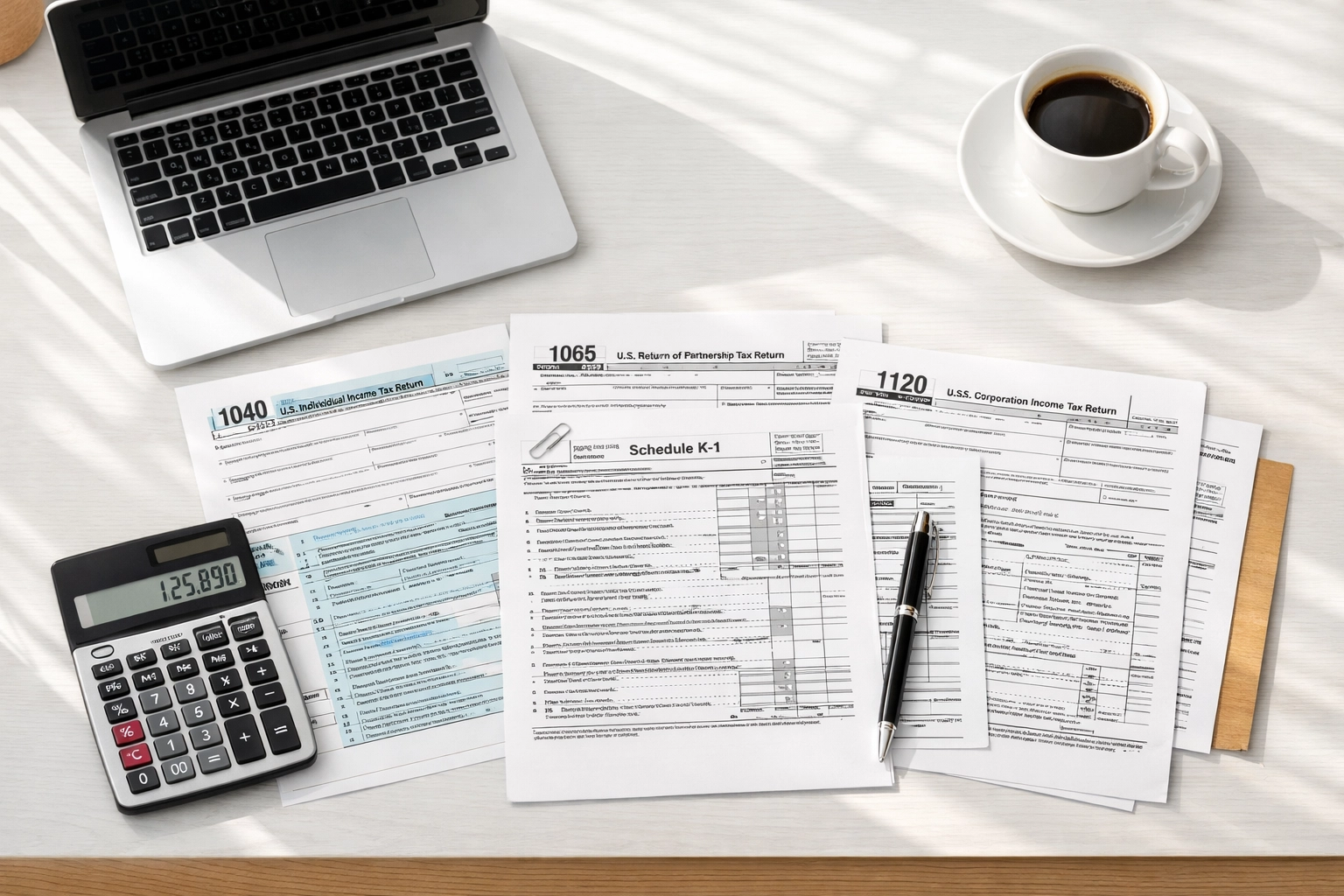
Your business structure determines your tax forms. No exceptions.
Sole proprietors and single-member LLCs: Form 1040 Schedule C
Partnerships: Form 1065
C corporations: Form 1120
S corporations: Form 1120-S
File the wrong form and you're inviting IRS scrutiny. Verify your structure before you start.
2. Calculate Your QBI Deduction Correctly
The Qualified Business Income deduction lets eligible businesses deduct up to 20% of qualified income. But it's not automatic.
2026 phase-out thresholds:
- Single filers: $191,950
- Married filing jointly: $383,900
Service businesses face additional restrictions. If you're a consultant, lawyer, accountant, or similar professional, review the limitations carefully.
Miss this deduction and you're leaving thousands on the table.
3. Compile Required Documents Now
Waiting until April is a mistake. Gather these documents today:
- Social Security Number or EIN
- Business address and phone number
- Bank account and routing numbers
- Last year's tax returns
- W-2 forms for employees
- Schedule K-1 forms
- Forms 1099-MISC and 1099-NEC
Missing one document delays everything. Create a checklist.
4. Clean Up Your Books
Messy books equal missed deductions.
Review every transaction from 2025. Verify that expenses are categorized correctly. Common overlooked deductions include:
- Home office expenses
- Professional development and training
- Business travel and meals
- Software subscriptions
- Equipment maintenance and repairs
- Business insurance premiums
Document everything with receipts. Bank statements aren't enough during an audit.

5. Review Estimated Tax Payments
Did your business grow in 2025? Your estimated payments might be insufficient.
The IRS requires businesses to pay taxes as income is earned. Underpayment triggers penalties: typically 0.5% per month on the unpaid balance.
Check your quarterly payments against actual 2025 income. Adjust your final payment before the deadline.
6. Reconcile All Business Accounts
Account reconciliation identifies discrepancies before the IRS does.
Match every bank statement against your books. Compare credit card statements to recorded expenses. Verify that deposits align with invoiced income.
Unexplained discrepancies raise red flags during audits. Fix them now, not after a notice arrives.

7. Organize Audit-Ready Documentation
The IRS recommends keeping tax records for three years minimum. Some situations require longer retention.
Keep these documents:
- Invoices and receipts
- Bank statements
- Contracts
- Financial statements
- Payroll records
- Asset purchase records
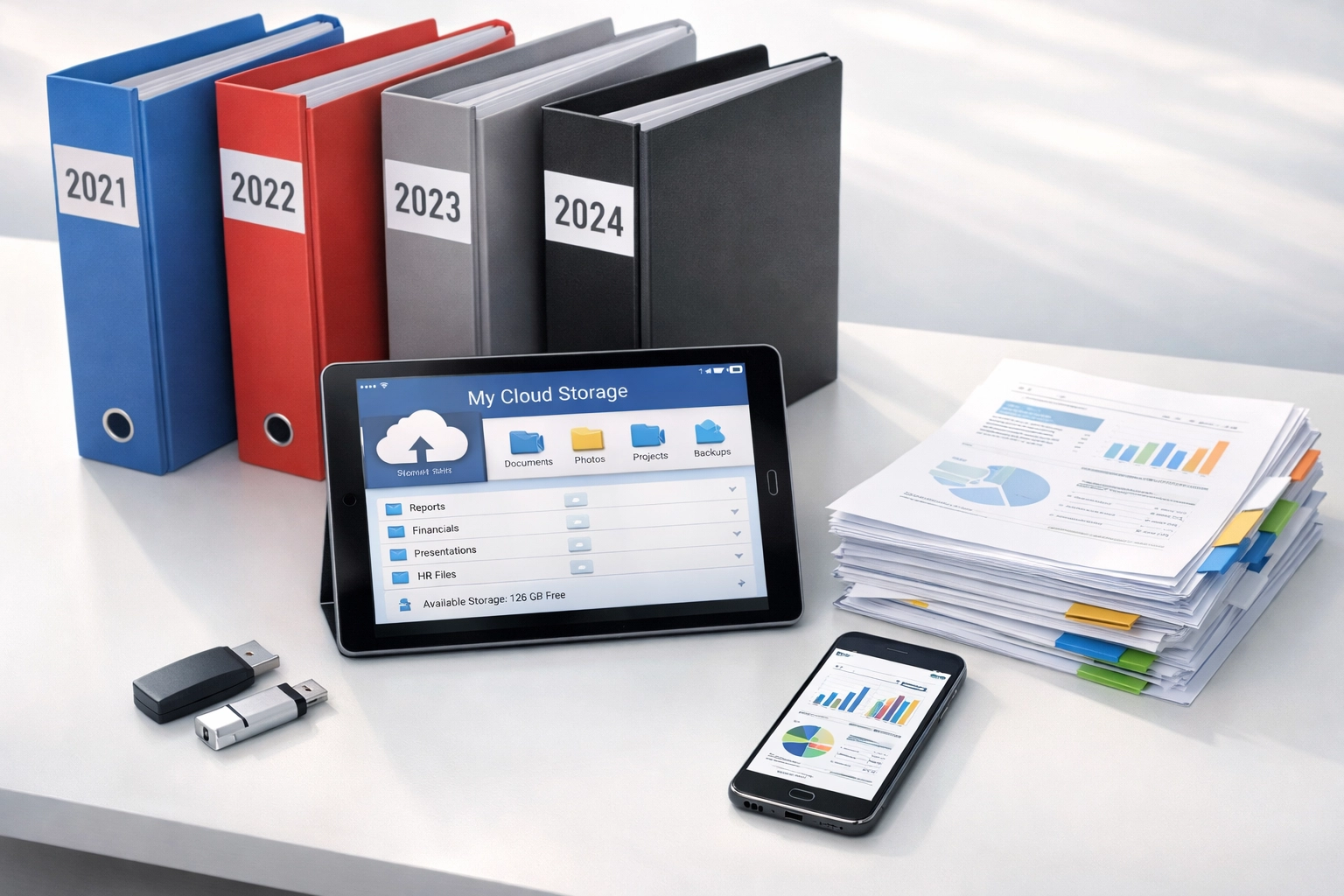
Store documents digitally with cloud backup. Paper gets lost. Digital records don't.
8. Verify Worker Classification
The IRS is scrutinizing worker classification more aggressively in 2026.
Independent contractors (1099) must meet these criteria:
- Control their own work methods
- Provide their own tools
- Work for multiple clients
- Bear business risk
Get this wrong and you face penalties plus back taxes for employment taxes you should have withheld.
When in doubt, classify as W-2. It's safer.
9. Understand 2026 Tax Updates
Tax laws changed for 2026. Here's what affects you:
Higher standard deductions reduce taxable income for most filers.
Revised tax brackets mean different rates at different income levels. Review the updated brackets to understand your effective tax rate.
Increased SALT deduction limit benefits business owners in high-tax states. The state and local tax deduction cap increased, potentially lowering your overall tax burden.
These changes require strategy adjustments. What worked in 2025 might not optimize your 2026 return.
10. Know Your Deadlines
Missing deadlines costs money.
January 31, 2026: W-2 forms to employees, 1099 forms to contractors
March 17, 2026: S-corporation and partnership returns
April 15, 2026: Most business tax returns
Extensions exist but don't extend payment deadlines. You still owe taxes on April 15 even if you file later.
Take Action Today
Tax preparation isn't a weekend project. Start now.
Review your business structure. Gather your documents. Clean up your books. Verify your worker classifications.
Strategic tax planning separates profitable businesses from struggling ones.
Need help navigating 2026 tax requirements? MCG Service specializes in small business tax compliance and strategic planning. We help business owners maximize deductions while staying compliant with IRS regulations.
Don't wait until tax season overwhelms you. Prepare now. File correctly. Keep more of what you earn.